Low beams in fog
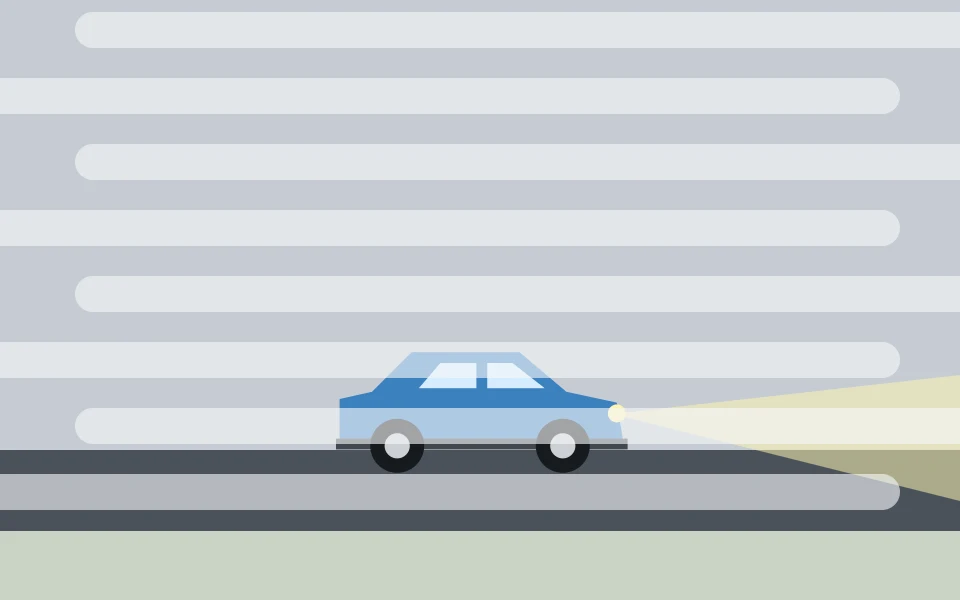
If travel through fog cannot be postponed, which headlights should be used?
Answer: Low beams.
High beams reflect back in fog and can worsen glare; low beams are the appropriate choice.
 DriveRoad
These 35 points cover seat belts, bad weather, night driving and emergencies. Each one pairs a California Class C practice question with its answer, a short explanation and an original diagram, taken from the DriveRoad iPhone app.
If travel through fog cannot be postponed, which headlights should be used?
Answer: Low beams.
High beams reflect back in fog and can worsen glare; low beams are the appropriate choice.
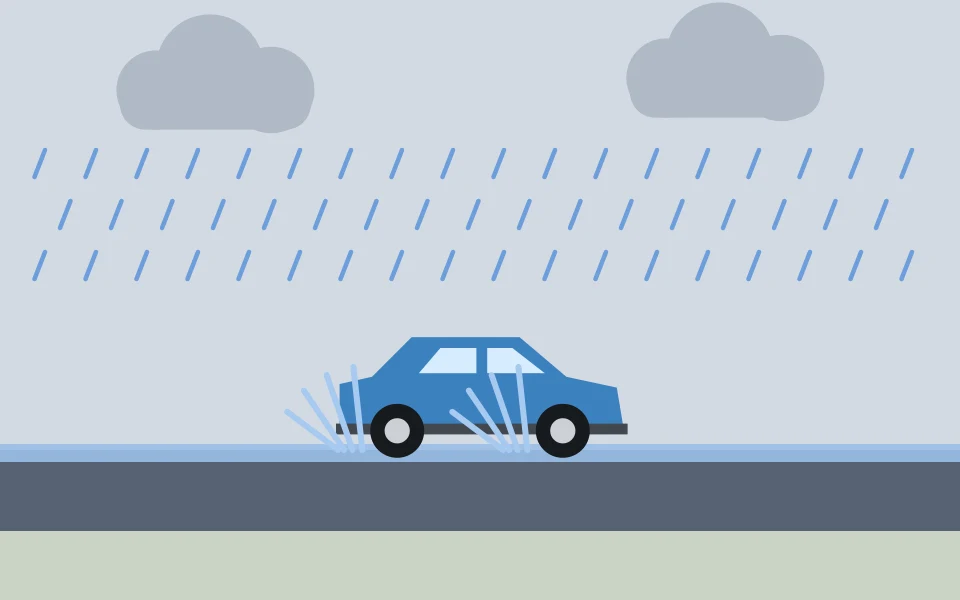
Tires lose road contact and the vehicle hydroplanes. Which response is appropriate?
Answer: Reduce speed gradually without sudden braking.
Abrupt braking or steering can make loss of tire contact harder to control.
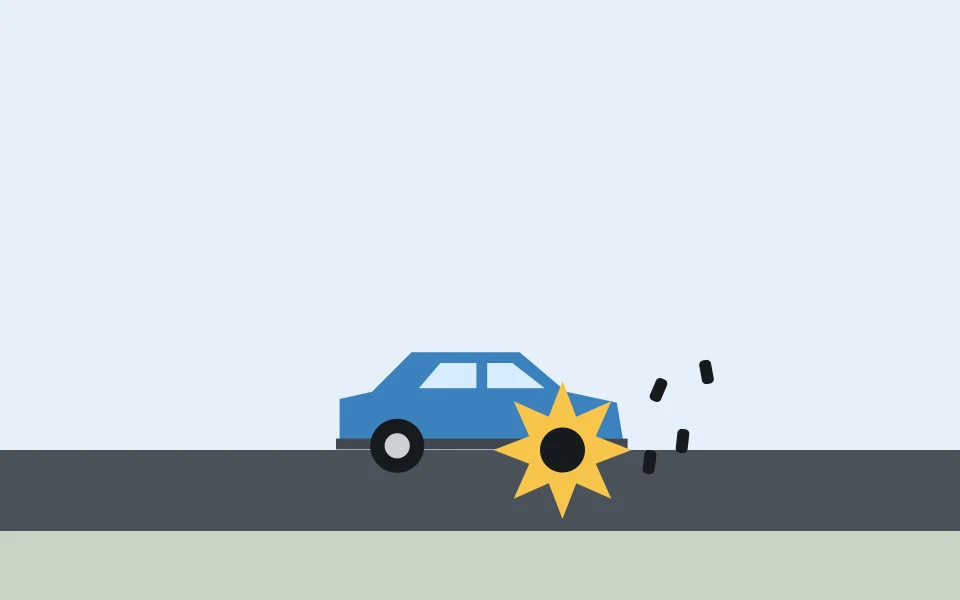
What should the driver first focus on after a sudden tire blowout?
Answer: Holding the wheel firmly and stabilizing the vehicle.
Maintain control first, then ease off gradually and leave the roadway only when safe.
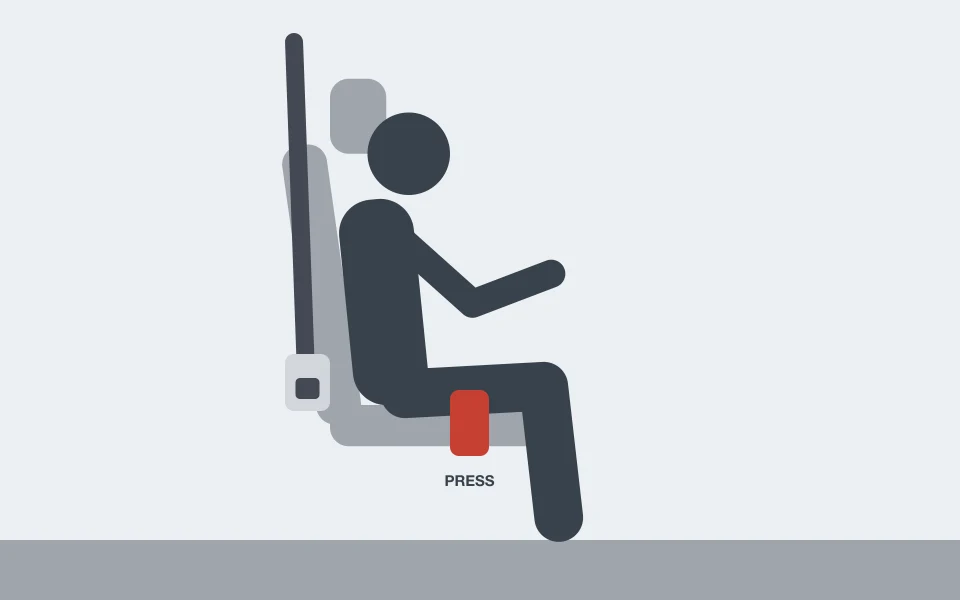
Where should the shoulder portion of a properly worn seat belt lie?
Answer: Across the shoulder and chest.
The shoulder belt must restrain the upper body as designed; routing it under an arm or behind the body defeats that protection.
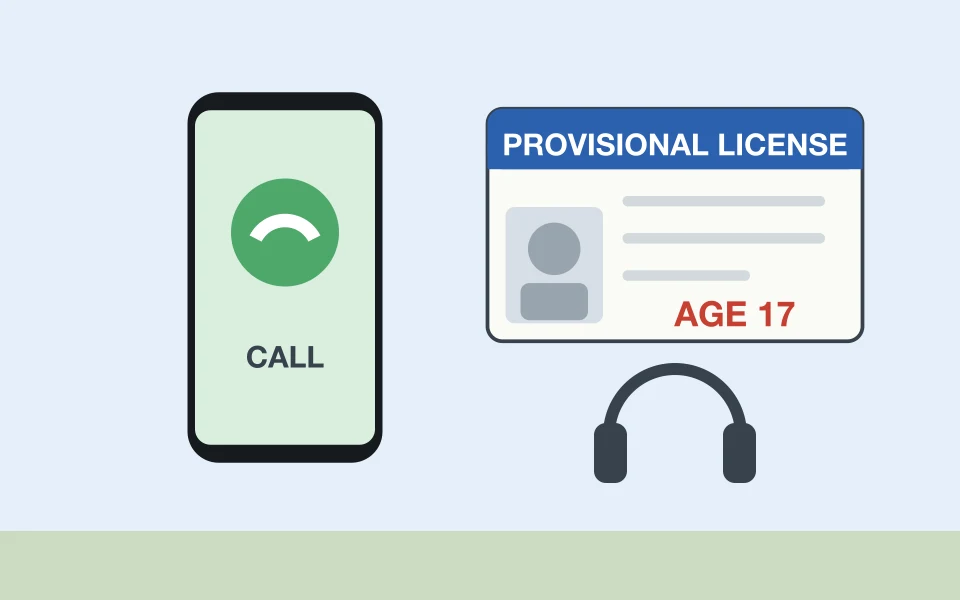
May a seventeen-year-old driver make an ordinary nonemergency hands-free call while driving?
Answer: No; minors may not use it for ordinary calls while driving.
The minor-driver restriction includes ordinary hands-free use; emergency-assistance calls are a separate exception.
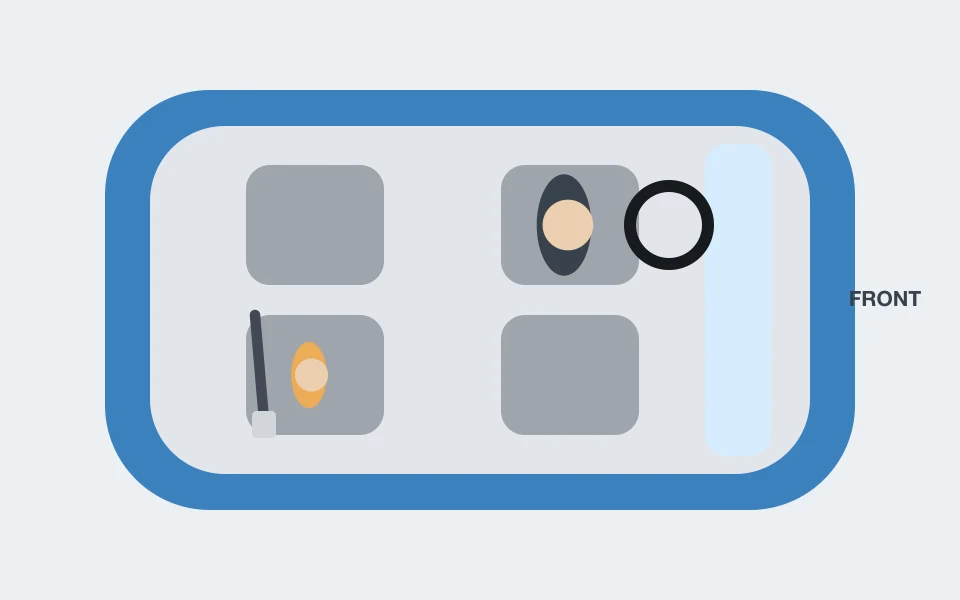
Which statement correctly describes responsibility for an unbelted young passenger?
Answer: The driver can also be cited when a passenger under sixteen is not belted.
The driver can also be cited when a passenger under sixteen is not belted.
Which statement correctly describes lap belt positioning?
Answer: Wear the lap belt snugly and low across the hips.
Wear the lap belt snugly and low across the hips.
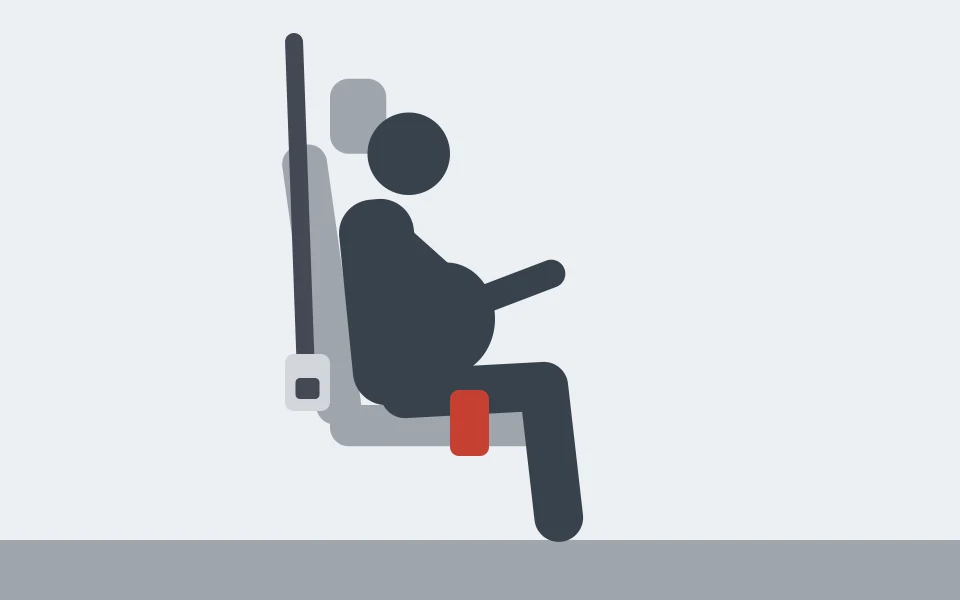
Which statement correctly describes seat belts during pregnancy?
Answer: Place the lap belt below the abdomen and the shoulder strap across the chest to the side of the abdomen.
Place the lap belt below the abdomen and the shoulder strap across the chest to the side of the abdomen.
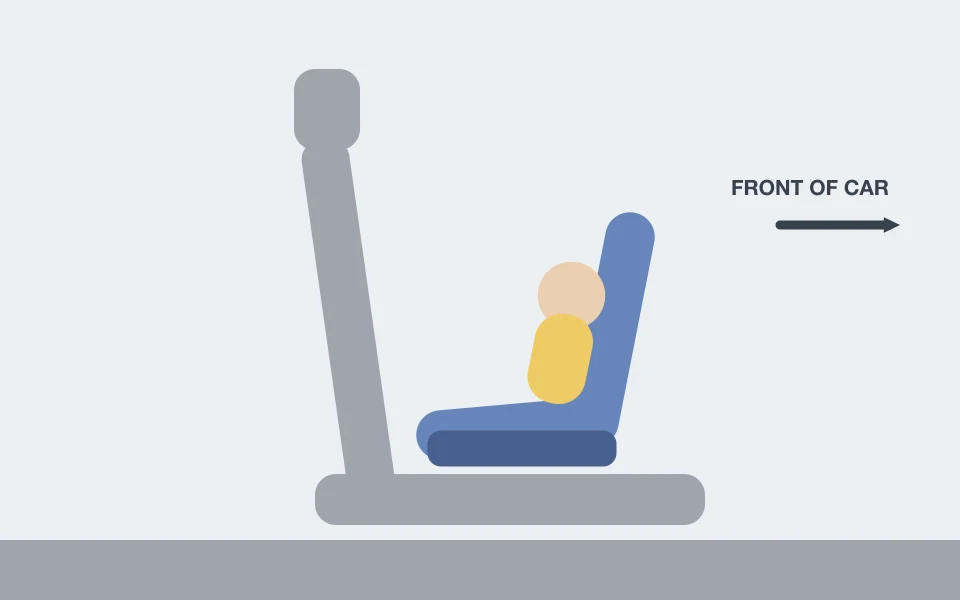
Which statement correctly describes rear-facing child restraints?
Answer: A child under two who is also under 40 pounds and 40 inches tall must ride in a rear-facing restraint.
A child under two who is also under 40 pounds and 40 inches tall must ride in a rear-facing restraint.
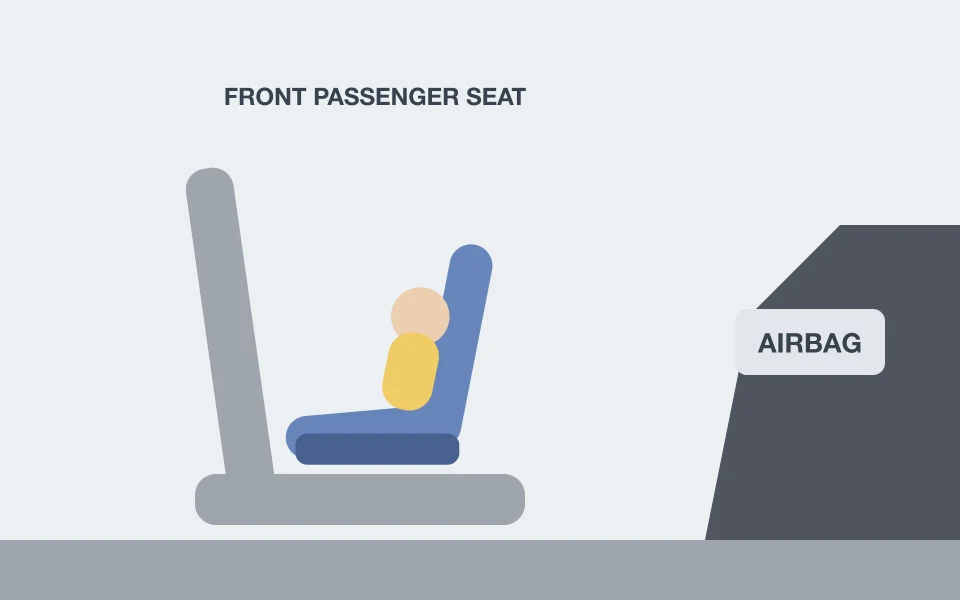
Which statement correctly describes rear-facing seats and front airbags?
Answer: Do not place a rear-facing child restraint in front of an airbag-equipped passenger seat.
Do not place a rear-facing child restraint in front of an airbag-equipped passenger seat.
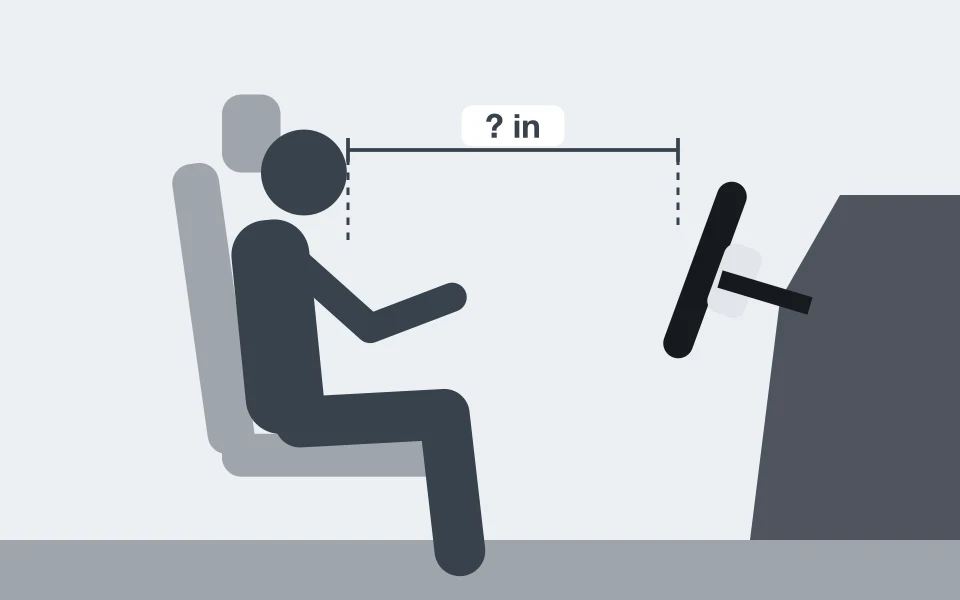
Which statement correctly describes airbag seating distance?
Answer: Aim for at least ten inches from the airbag cover while retaining full vehicle control.
Aim for at least ten inches from the airbag cover while retaining full vehicle control.
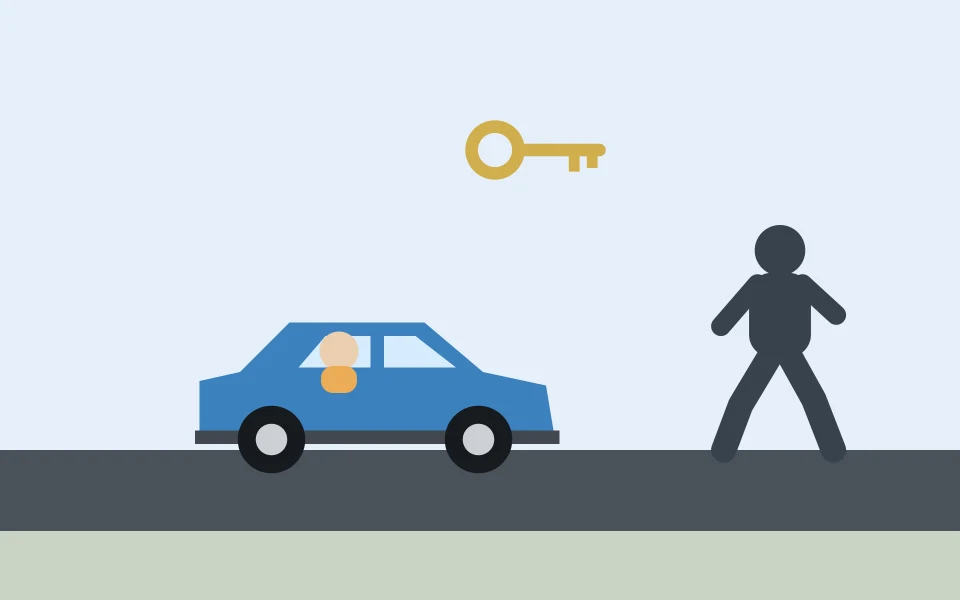
Which statement correctly describes young children left in vehicles?
Answer: For a child six or younger, California requires supervision by someone at least twelve when the engine is running, keys are in the ignition, or conditions pose a significant safety risk.
The age rule applies under the listed hazardous or engine/key conditions. An eight-year-old is too young to provide the required supervision. Never leave a child in a dangerous vehicle situation.
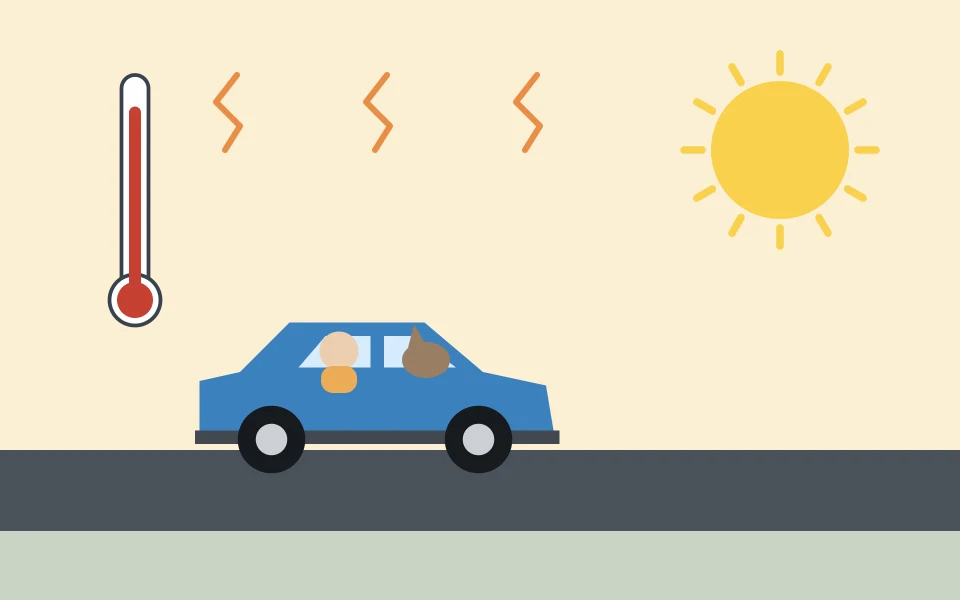
Which statement correctly describes children or pets in a hot car?
Answer: A partly open window does not prevent dangerous heat buildup; do not leave them in a hot vehicle.
A partly open window does not prevent dangerous heat buildup; do not leave them in a hot vehicle.
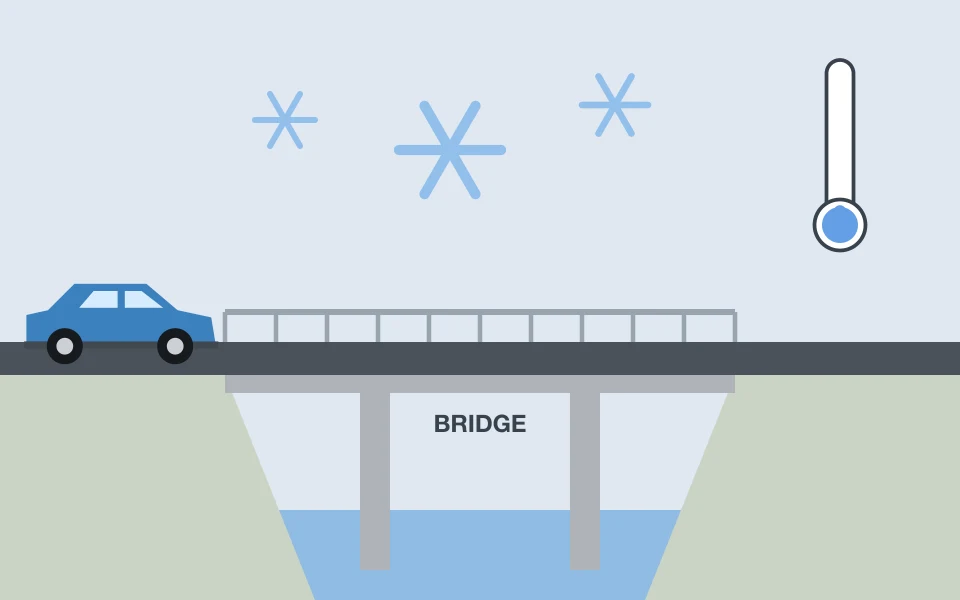
Which statement correctly describes ice on bridges?
Answer: Expect bridges and overpasses to freeze before nearby road surfaces.
Expect bridges and overpasses to freeze before nearby road surfaces.
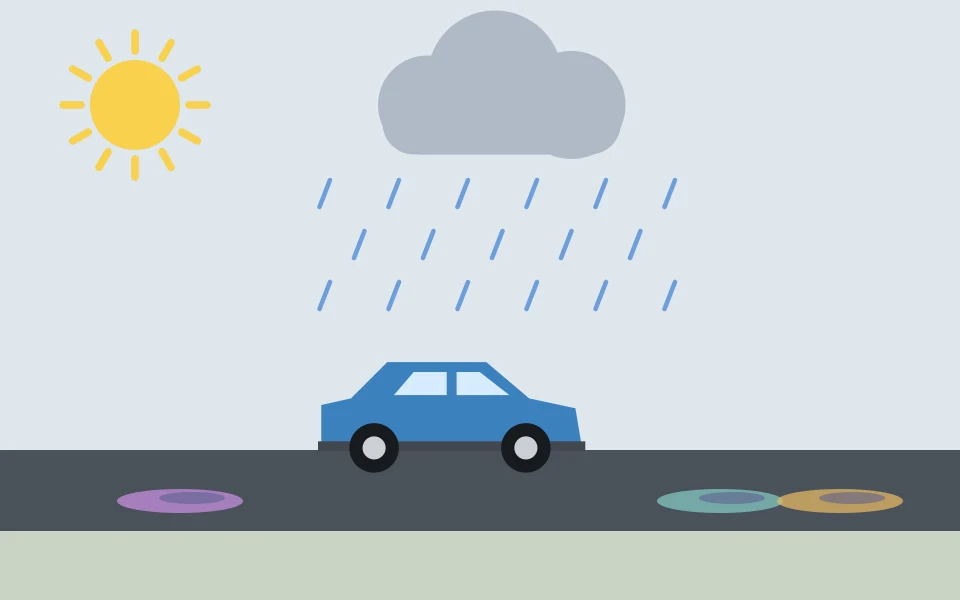
Which statement correctly describes the first rain after dry weather?
Answer: Oil and dust can make the first rainfall especially slippery; slow down early.
Oil and dust can make the first rainfall especially slippery; slow down early.
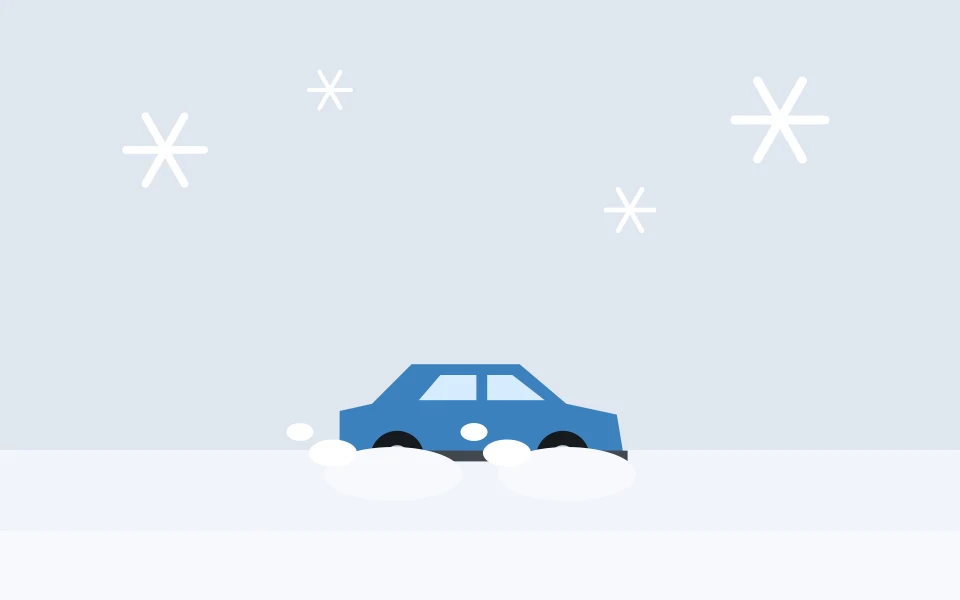
Which statement correctly describes getting unstuck in snow or mud?
Answer: Use gentle power in a low gear and avoid spinning the wheels.
Use gentle power in a low gear and avoid spinning the wheels.
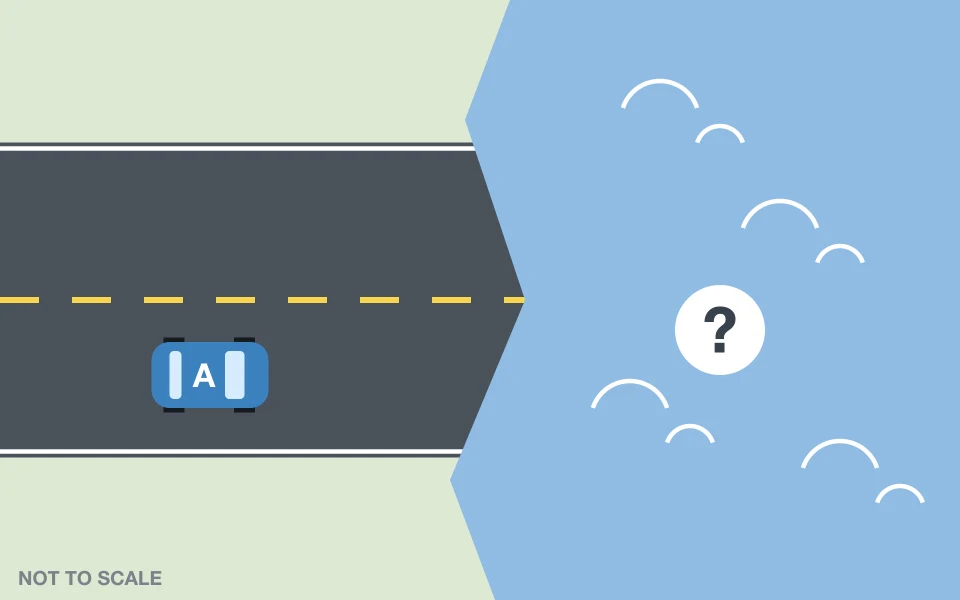
Which statement correctly describes floodwater depth?
Answer: Do not assume the depth is visible; choose another route rather than entering unsafe floodwater.
Do not assume the depth is visible; choose another route rather than entering unsafe floodwater.
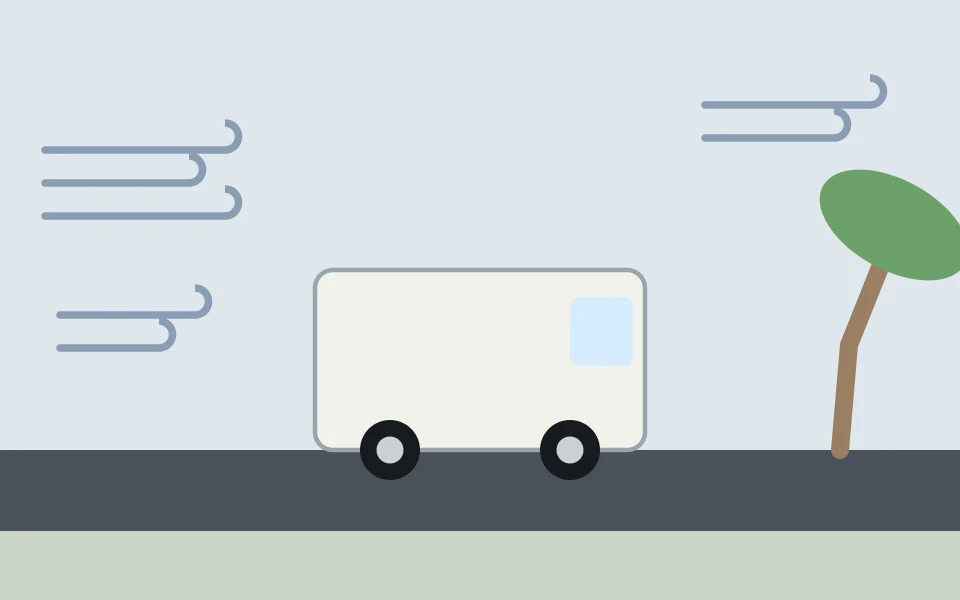
Which statement correctly describes high winds and cruise control?
Answer: Reduce speed, hold the wheel firmly, and avoid cruise control in high winds.
Reduce speed, hold the wheel firmly, and avoid cruise control in high winds.
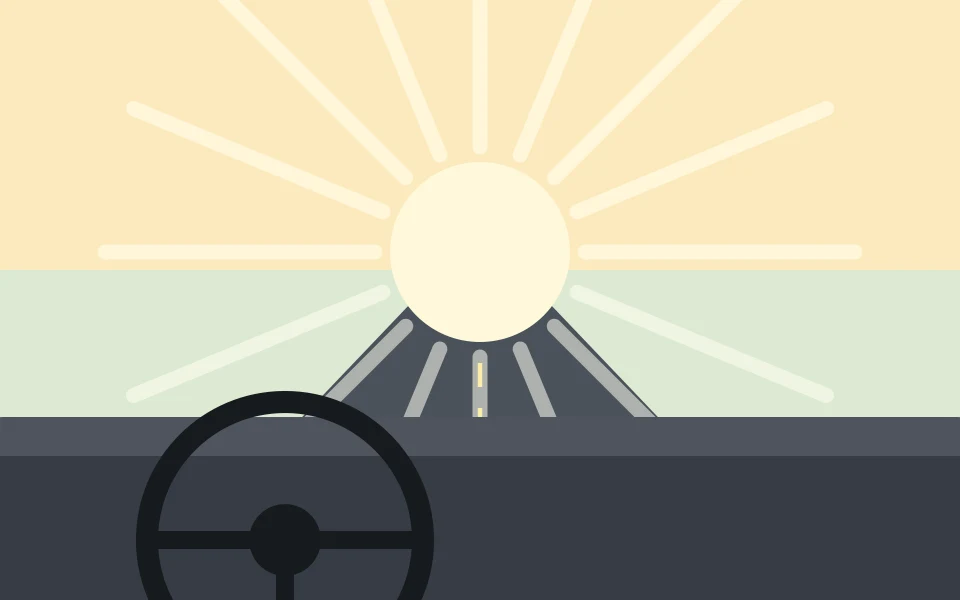
Which statement correctly describes reducing sun glare?
Answer: Keep both sides of the windshield clean and maintain a space buffer.
Keep both sides of the windshield clean and maintain a space buffer.
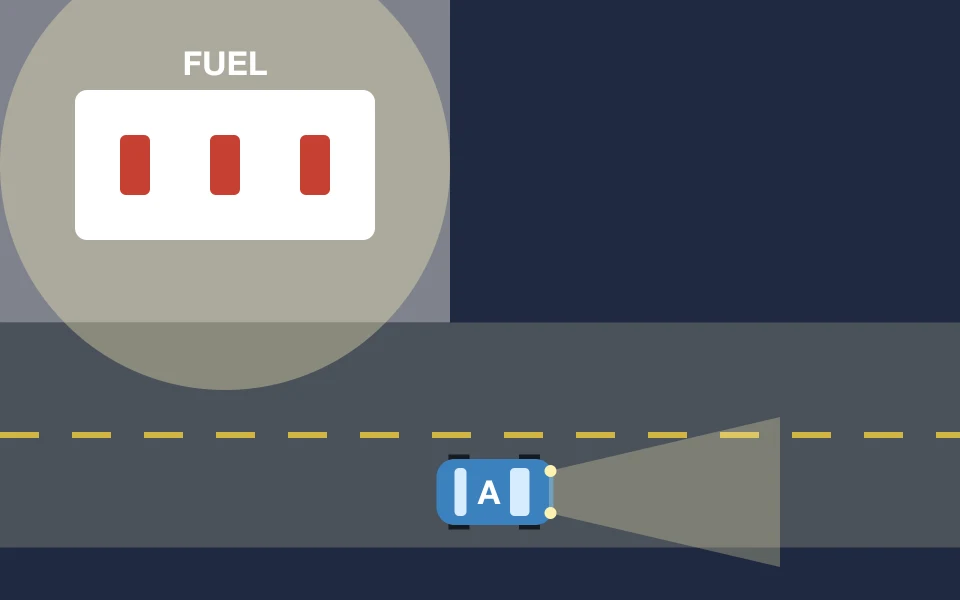
Which statement correctly describes leaving a bright area at night?
Answer: Slow down while your vision adjusts to the darkness.
Slow down while your vision adjusts to the darkness.
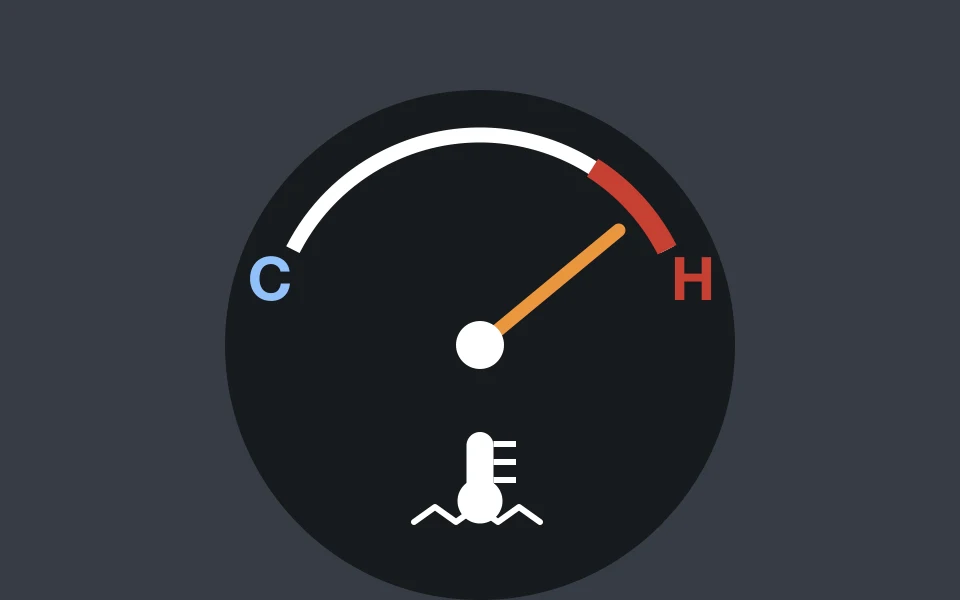
Which statement correctly describes engine overheating in extreme heat?
Answer: Monitor temperature and reduce engine load, including switching off AC. If temperature exceeds the safe range, stop driving as soon as safely possible; never open a hot pressurized cooling system.
Monitor temperature and reduce engine load, including switching off AC. If temperature exceeds the safe range, stop driving as soon as safely possible; never open a hot pressurized cooling system.
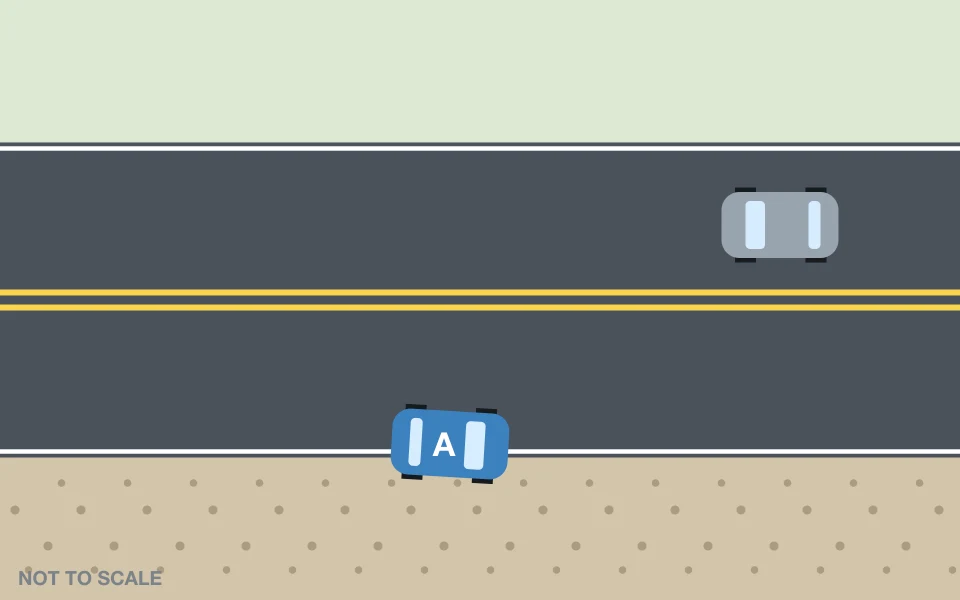
Which statement correctly describes wheels leaving the pavement?
Answer: Grip firmly, ease off, brake gently and return carefully after checking traffic.
Grip firmly, ease off, brake gently and return carefully after checking traffic.
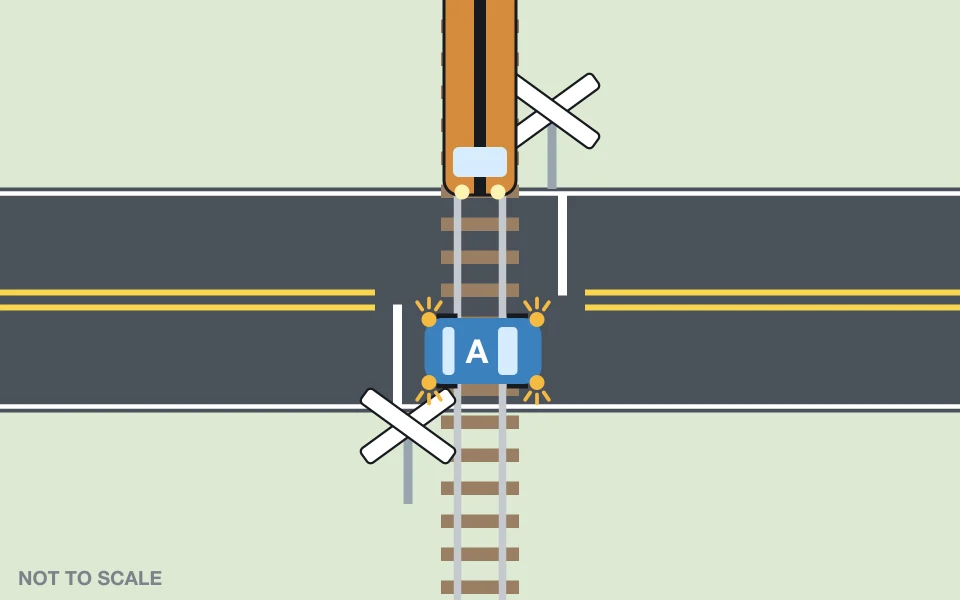
Which statement correctly describes a stalled vehicle with a train approaching?
Answer: Leave immediately and move away diagonally toward the direction the train is coming from; call 911 from safety.
Leave immediately and move away diagonally toward the direction the train is coming from; call 911 from safety.
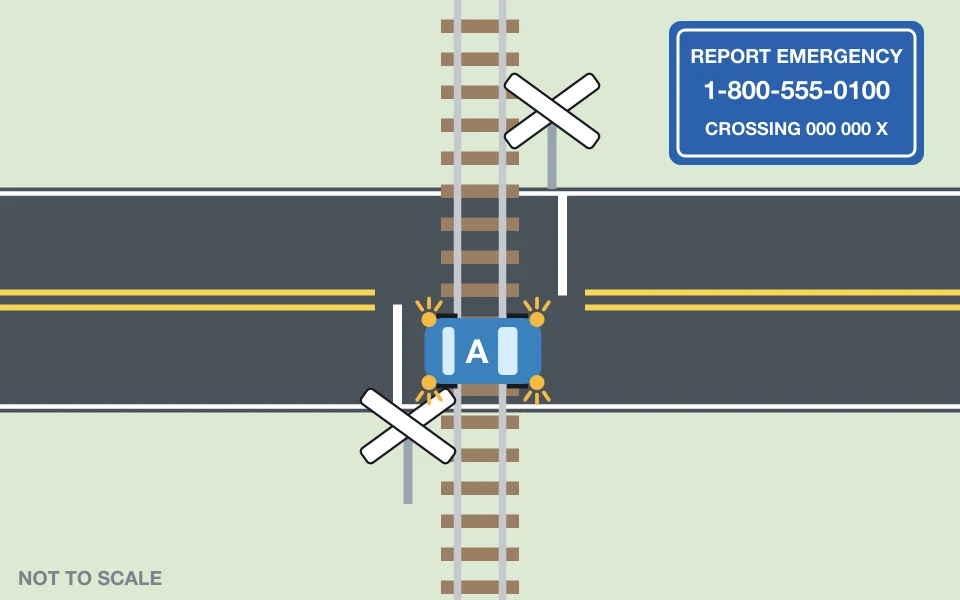
Your vehicle stalls on the tracks; no train is visible and crossing warnings are inactive. Which response is appropriate?
Answer: Leave the vehicle and move away from the tracks immediately. From a safe location, call the posted railroad emergency number with the crossing identifier, then call 911.
No visible train and inactive crossing warnings do not establish that the tracks are safe. Leave immediately and move away; from a safe place, call the railroad emergency number with the crossing ID, then 911 as the California handbook directs.
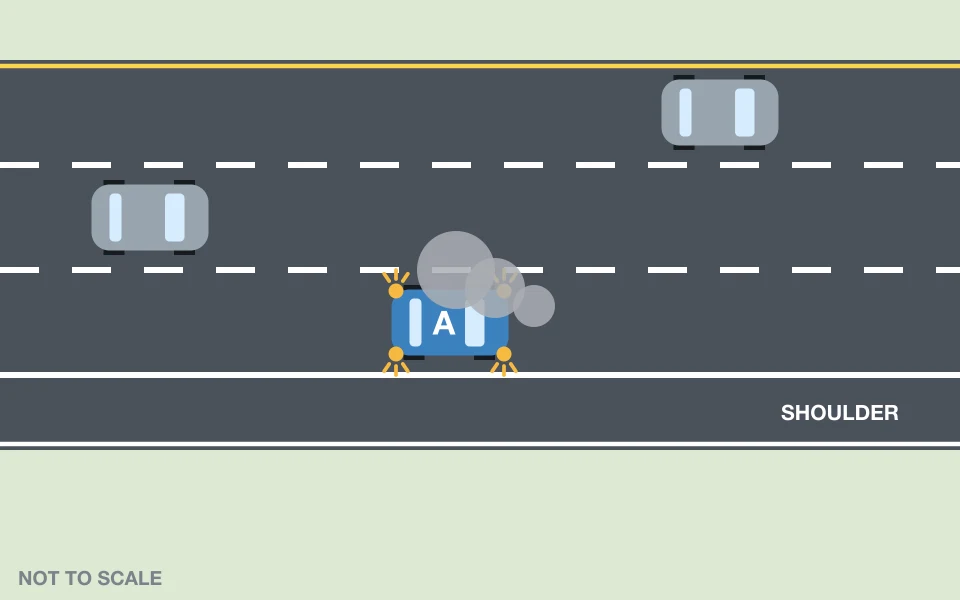
Which statement correctly describes a disabled vehicle on the freeway?
Answer: Move safely onto the right shoulder; if you must exit, use the side away from traffic.
Move safely onto the right shoulder; if you must exit, use the side away from traffic.
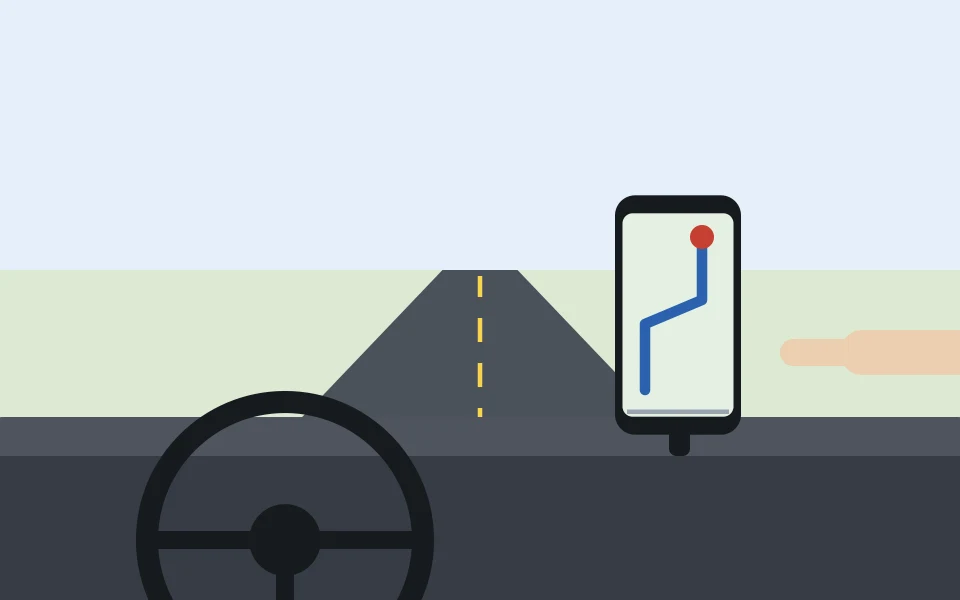
For a driver eighteen or older, what restrictions apply to permitted manual use of a mounted navigation phone?
Answer: For a driver eighteen or older, a mounted phone must not obstruct the road view; any permitted manual activation or deactivation uses only one finger tap or swipe.
For a driver eighteen or older, a mounted phone must not obstruct the road view; any permitted manual activation or deactivation uses only one finger tap or swipe.
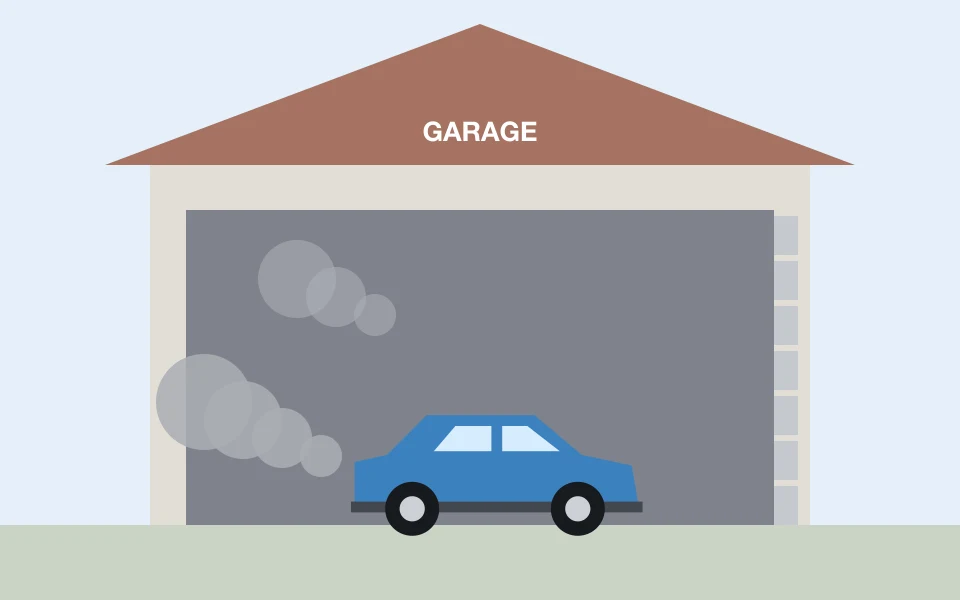
Which statement correctly describes carbon monoxide in a closed garage?
Answer: Do not run a gasoline vehicle inside a garage, even with the door open; exhaust can expose people to deadly, odorless carbon monoxide.
Do not run a gasoline vehicle inside a garage, even with the door open; exhaust can expose people to deadly, odorless carbon monoxide.
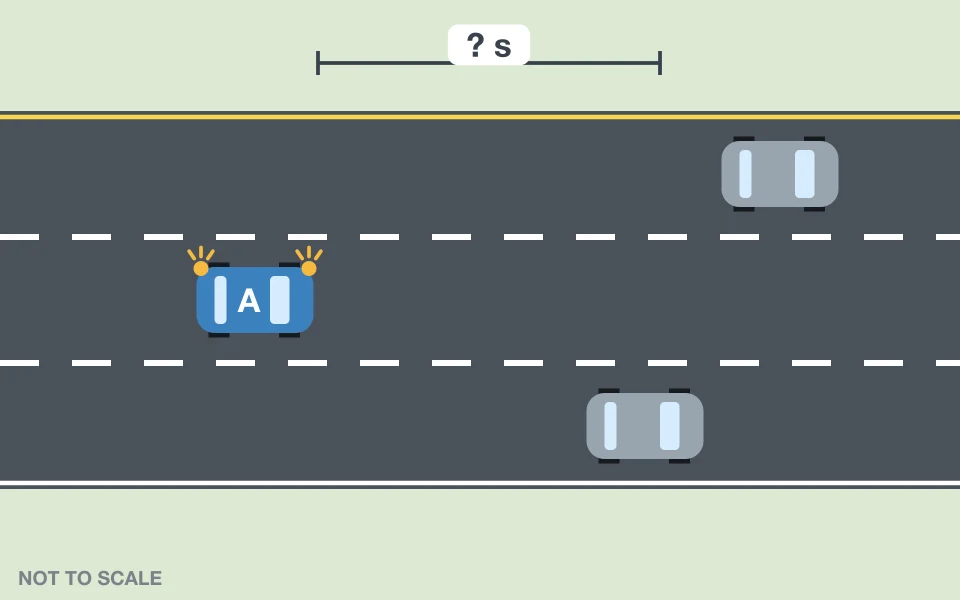
Which statement correctly describes freeway lane-change signaling?
Answer: Signal at least five seconds before changing lanes on a freeway.
Signal at least five seconds before changing lanes on a freeway.
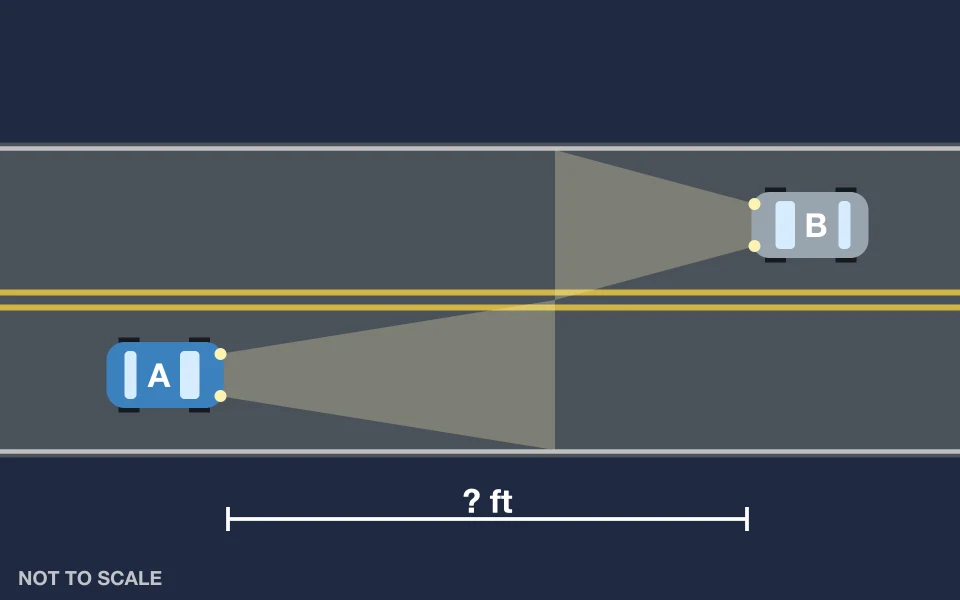
Which statement correctly describes dimming for oncoming traffic?
Answer: Dim high beams within 500 feet of an approaching vehicle.
Dim high beams within 500 feet of an approaching vehicle.
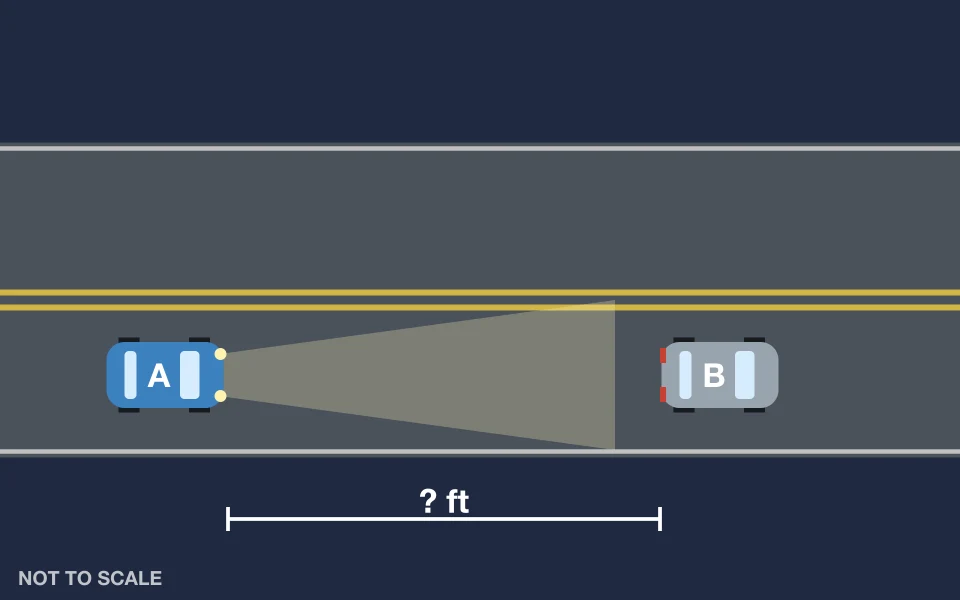
Which statement correctly describes dimming when following?
Answer: Use low beams within 300 feet behind another vehicle.
Use low beams within 300 feet behind another vehicle.
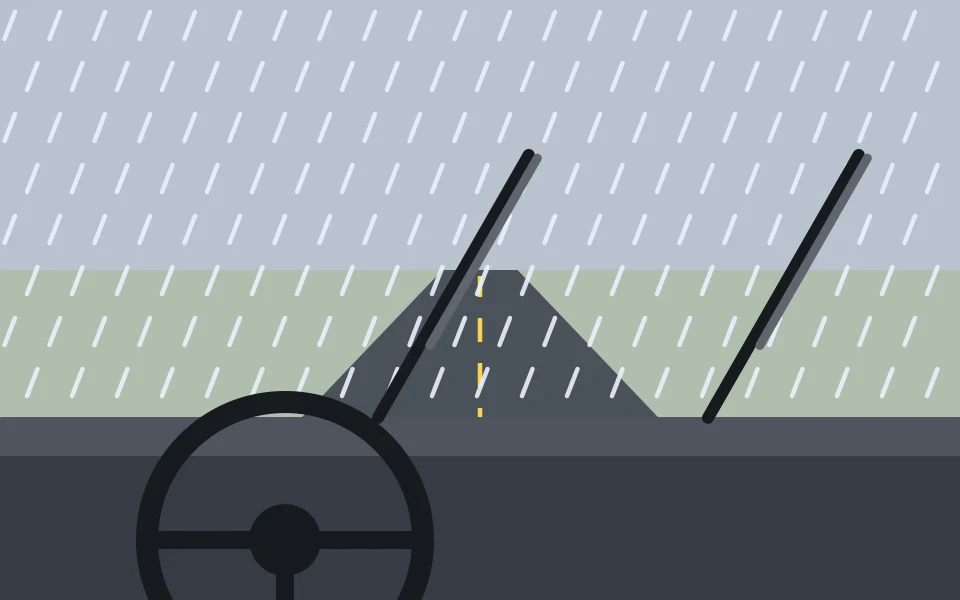
Which statement correctly describes wipers and low-beam headlights?
Answer: Turn on low beams when weather requires windshield wipers.
Turn on low beams when weather requires windshield wipers.
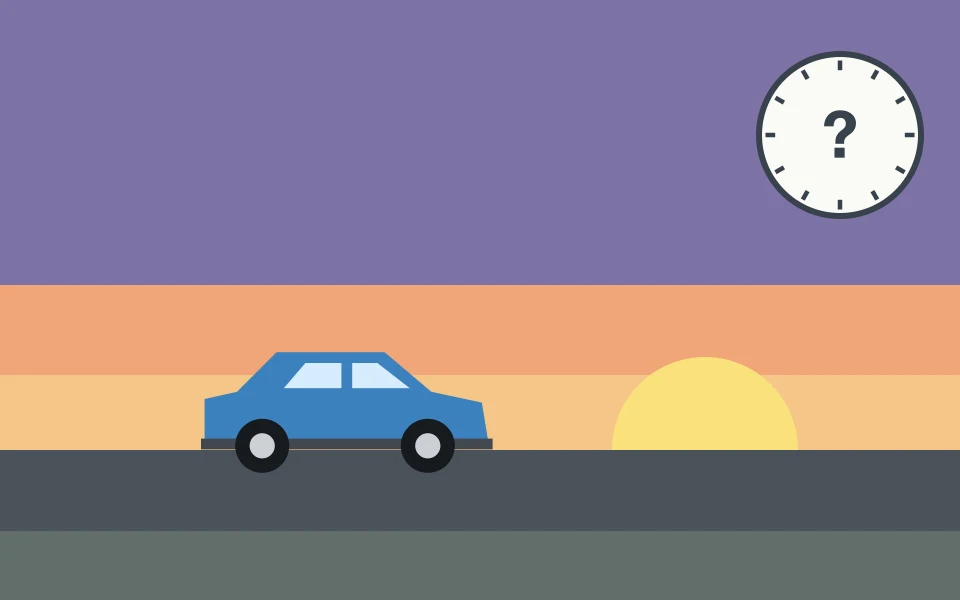
Which statement correctly describes headlights around sunset and sunrise?
Answer: Use headlights beginning thirty minutes after sunset until thirty minutes before sunrise, and sooner if visibility requires.
Use headlights beginning thirty minutes after sunset until thirty minutes before sunrise, and sooner if visibility requires.
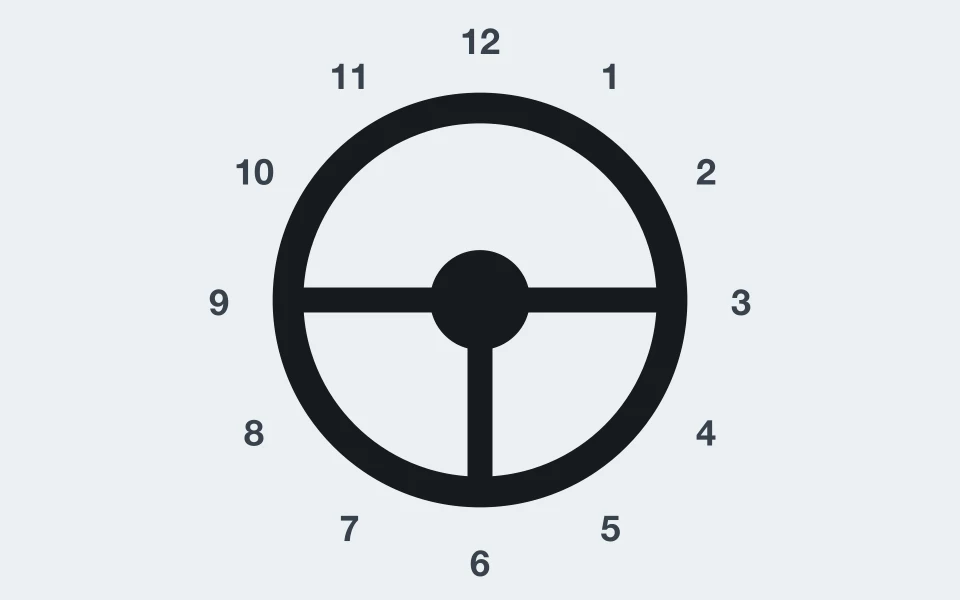
Which statement correctly describes push-pull steering hand positions?
Answer: Start with hands around nine and three, or eight and four, and avoid crossing over the wheel's center.
Start with hands around nine and three, or eight and four, and avoid crossing over the wheel's center.
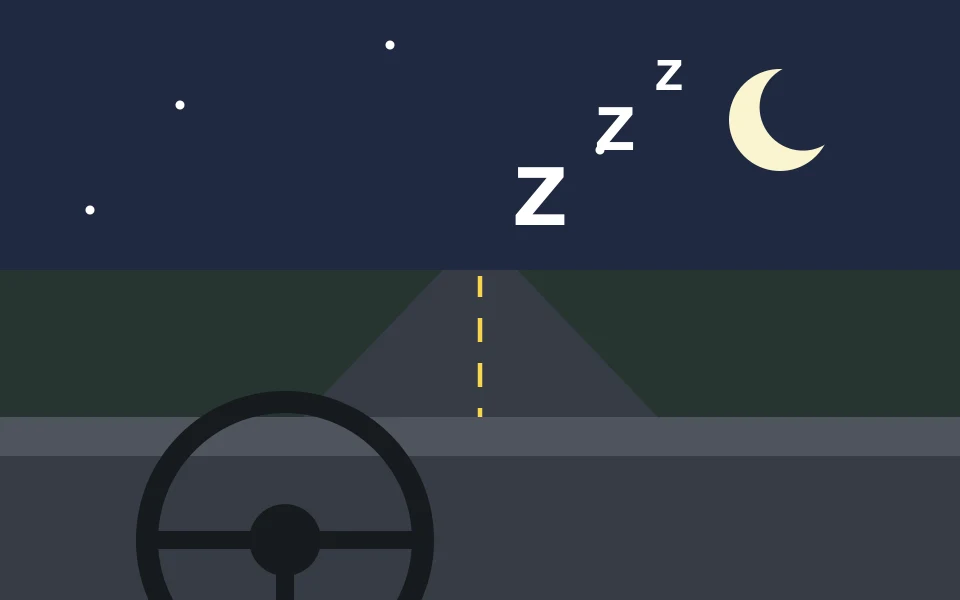
Which statement correctly describes fatigue and hazard response?
Answer: Tiredness can worsen vision and delay responses; stop and rest rather than push on.
Tiredness can worsen vision and delay responses; stop and rest rather than push on.
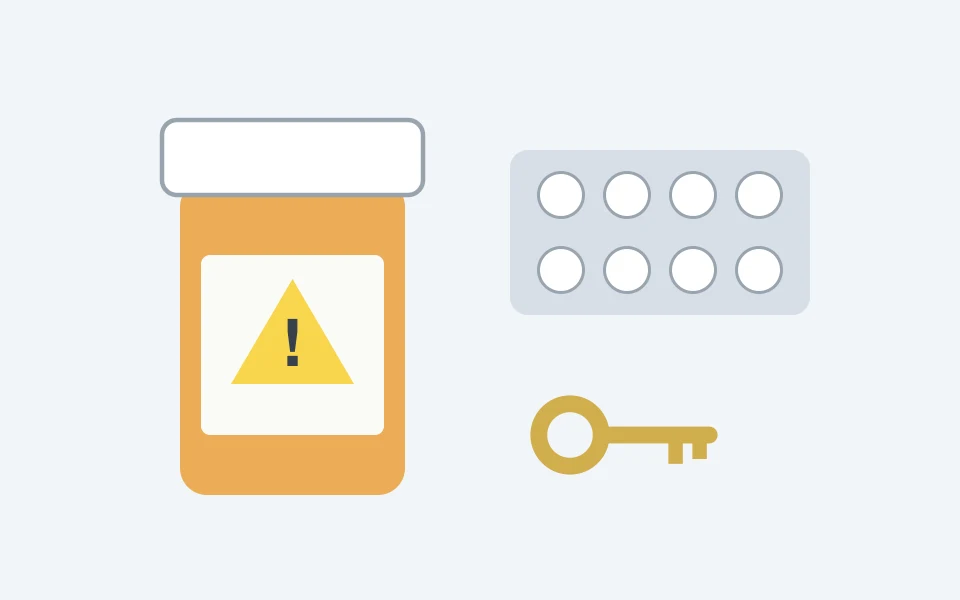
Which statement correctly describes medication and safe driving?
Answer: Both prescription and nonprescription medicines can impair driving; understand their effects before driving.
Both prescription and nonprescription medicines can impair driving; understand their effects before driving.
DriveRoad is an independent study aid. It is not affiliated with or endorsed by the California DMV, and these pages are not the official exam. Rules change; confirm details in the official California Driver’s Handbook.
© 2026 Paworld Labs LLC. Questions, explanations and illustrations are original to DriveRoad. Personal study use is welcome; reuse needs permission. Content use and copyright